
Knee replacement surgery can be life-changing for patients living with severe knee pain, stiffness and limited mobility. But while many people understand why they may need the procedure, they often feel uncertain about what happens afterwards.
How soon will I walk?
How long does recovery take?
Will I need physiotherapy?
When can I drive again?
And will my new knee feel normal?
These are all important questions.
The truth is that knee replacement recovery is a process. Surgery is one part of the journey, but the way you recover, move, strengthen and follow your rehabilitation plan plays a major role in your final outcome.
For Dr Van Der Watt, successful knee replacement care is not only about placing the implant accurately. It is also about helping patients understand the recovery process clearly, prepare properly and return to daily life with confidence.
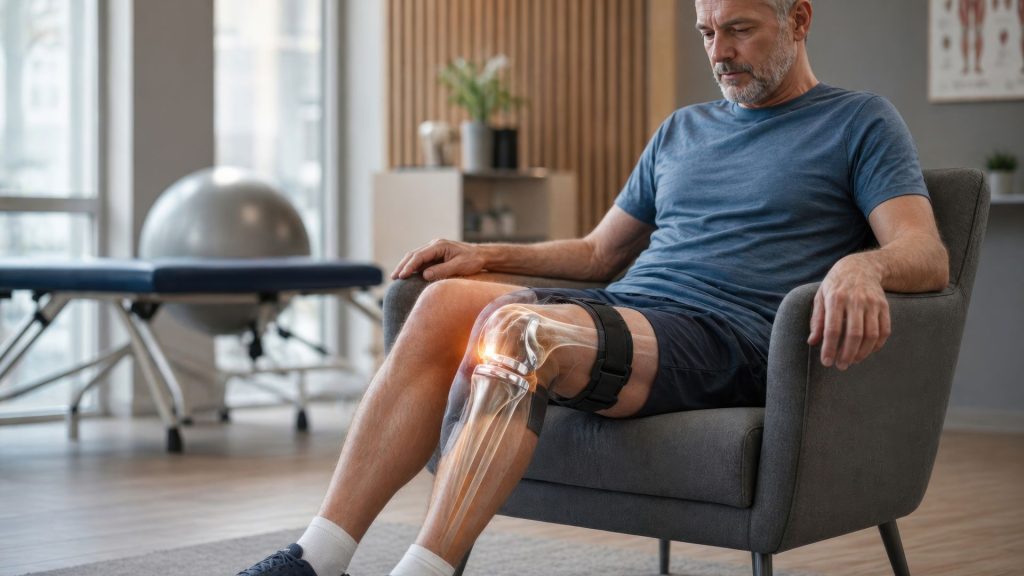
What Is Knee Replacement Surgery?
Knee replacement surgery is a procedure where damaged parts of the knee joint are removed and replaced with artificial components. These components are designed to help the knee move more smoothly and reduce pain caused by severe joint damage.
Knee replacement may involve replacing the whole knee joint, known as a total knee replacement, or only part of the joint, known as a partial knee replacement. The NHS explains that the type of knee replacement depends on how much of the knee joint is damaged.
Patients may need knee replacement surgery because of:
- Osteoarthritis
- Rheumatoid arthritis
- Post-traumatic arthritis
- Severe cartilage loss
- Long-term knee pain
- Knee stiffness
- Reduced mobility
- Difficulty walking, climbing stairs or standing for long periods
The goal of surgery is to reduce pain, improve function and help patients return to a better quality of life.
When Is Knee Replacement Usually Considered?
Knee replacement is usually considered when conservative treatments are no longer giving enough relief.
These treatments may include:
- Medication
- Physiotherapy
- Weight management
- Activity modification
- Injections
- Bracing or walking aids
When pain starts affecting daily life, sleep, independence or mobility, it may be time to discuss surgical options with an orthopaedic surgeon.
A consultation with Dr Van Der Watt can help determine whether knee replacement is appropriate, whether robotic-assisted surgery may be suitable, and what kind of recovery you can realistically expect.
What Happens Immediately After Knee Replacement Surgery?
After knee replacement surgery, patients are moved to a recovery area where the medical team monitors pain levels, circulation, wound condition and general wellbeing.
In many cases, patients are encouraged to start moving relatively soon after surgery. Early movement is important because it helps reduce stiffness, supports circulation and begins the rehabilitation process.
This does not mean patients are expected to walk normally immediately. Walking usually starts with support, such as a walker, crutches or assistance from the care team.
The first few days often focus on:
- Pain control
- Safe movement
- Getting in and out of bed
- Walking short distances
- Gentle knee exercises
- Reducing swelling
- Preventing complications
- Learning how to move safely at home
Every patient recovers differently, so the exact timeline will depend on the type of surgery, overall health, fitness level and the surgeon’s instructions.
Why Physiotherapy Matters After Knee Replacement
Physiotherapy is one of the most important parts of knee replacement recovery.
The American Academy of Orthopaedic Surgeons notes that regular exercise after total knee replacement is important for restoring strength and mobility, and that walking is usually part of early recovery.
Physiotherapy helps patients:
- Improve knee movement
- Rebuild muscle strength
- Reduce stiffness
- Improve walking ability
- Regain balance and confidence
- Support long-term joint function
- Return safely to daily activities
A knee replacement does not become strong on its own. The muscles around the knee, including the quadriceps, hamstrings and calf muscles, need to be retrained and strengthened.
This is why following your rehabilitation plan is so important.
A General Knee Replacement Recovery Timeline
Recovery timelines can vary from patient to patient. Some people progress quickly, while others need more time. The following is a general guide, not a substitute for personalised medical advice.
The First Few Days After Surgery
During the first few days, the focus is on pain management, early movement and learning how to walk safely.
Patients may begin:
- Standing with assistance
- Walking short distances
- Gentle bending and straightening exercises
- Using stairs with guidance, if appropriate
- Learning how to manage swelling
- Understanding wound care instructions
Swelling, bruising and discomfort are common during this stage. The knee may feel tight, heavy or difficult to bend. This is normal, but patients should always report unusual pain, fever, excessive swelling, wound changes or calf pain to their medical team.
The First 2 Weeks
The first two weeks are often focused on settling into recovery at home.
Patients usually work on:
- Walking regularly
- Managing pain and swelling
- Continuing prescribed exercises
- Improving knee bend and extension
- Keeping the wound clean and protected
- Resting between movement sessions
- Attending follow-up appointments if scheduled
This stage can feel frustrating because progress may be slow at first. It is important not to compare your recovery with someone else’s. Each knee, each patient and each surgery is different.
Weeks 3 to 6
By this stage, many patients begin to notice steady improvements in mobility and confidence.
You may be working towards:
- Walking longer distances
- Reducing reliance on walking aids
- Improving knee flexibility
- Building strength
- Returning to light daily tasks
- Improving sleep and comfort
- Increasing independence
Physiotherapy remains important during this phase. Even if the knee feels better, the muscles still need time and consistent work to regain strength.
Weeks 6 to 12
Between 6 and 12 weeks, many patients become more comfortable with day-to-day movement.
Depending on your progress and Dr Van Der Watt’s guidance, you may gradually return to:
- Driving
- Work
- Gentle exercise
- Longer walks
- Household tasks
- Low-impact activities
The AAOS explains that patients are often encouraged to return gradually to everyday activities after knee replacement, while avoiding high-impact activities that may place too much stress on the new joint.
3 Months and Beyond
By three months, many patients feel significantly better than they did in the early recovery phase. However, deeper healing, strengthening and confidence can continue improving for many months.
Some patients may continue working on:
- Stamina
- Balance
- Muscle strength
- Flexibility
- Confidence on stairs
- Returning to recreational activities
- Reducing residual stiffness
Full recovery can take time. The goal is not just to walk again, but to move well, feel stable and build confidence in the new knee.
How Long Does Knee Replacement Recovery Take?
There is no single recovery timeline that applies to everyone.
Some patients feel a major improvement within a few weeks. Others take several months to feel fully confident. Recovery can depend on:
- Age
- General health
- Fitness before surgery
- Weight
- Severity of arthritis
- Muscle strength
- Pain tolerance
- Type of knee replacement
- Surgical complexity
- Commitment to physiotherapy
- Presence of other medical conditions
The best recovery plans are realistic, structured and personalised.
Dr Van Der Watt will guide patients based on their individual condition, surgical findings and progress after surgery.
Does Robotic Knee Replacement Improve Recovery?
Robotic-assisted knee replacement can support highly detailed planning and accurate implant placement. With systems such as the Mako robotic arm, the surgeon can plan the procedure using patient-specific information and use robotic assistance during surgery.
Stryker describes Mako Total Knee as a system that supports CT-based planning and robotic-arm assisted execution during knee replacement surgery.
This can help the surgeon plan around the patient’s unique anatomy, which may support precision during the procedure.
However, it is important to be clear: the robot does not perform the surgery on its own.
The surgeon remains in control. The technology assists with planning and precision, but the outcome still depends on surgical expertise, patient health and recovery.
Robotic-assisted surgery may offer certain advantages for selected patients, but physiotherapy, healing and rehabilitation are still essential.
The Surgeon Still Matters Most
One of the biggest misconceptions about robotic knee replacement is that the robot is the most important part of the procedure.
It is not.
The robot is a tool. The surgeon is the expert.
Dr Van Der Watt uses advanced technology where appropriate, but it is his training, planning, experience and decision-making that guide the procedure.
The surgeon must still:
- Assess whether surgery is needed
- Decide on the correct procedure
- Review imaging
- Plan implant positioning
- Manage soft tissue balance
- Use the robotic system correctly
- Respond to findings during surgery
- Guide recovery and rehabilitation
Technology can support precision, but it cannot replace clinical judgement.
What Can Patients Do to Support a Better Recovery?
Patients play an active role in their own recovery.
Here are key steps that can help support progress after knee replacement surgery.
1. Prepare Before Surgery
Good recovery often starts before the operation.
Patients may benefit from:
- Strengthening exercises before surgery
- Managing weight where appropriate
- Improving general fitness
- Preparing the home for safe movement
- Arranging help for the first few days
- Discussing medication with the medical team
- Understanding the recovery plan in advance
The better prepared you are, the easier the early recovery period can feel.
2. Follow Your Physiotherapy Plan
Physiotherapy is not optional. It is a major part of recovery.
Patients should follow the recommended exercises and avoid doing too much too soon. The goal is steady progress, not forcing the knee beyond what is safe.
Regular movement helps reduce stiffness and rebuild strength, but overdoing it can increase swelling and discomfort.
3. Manage Swelling Properly
Swelling is common after knee replacement.
Your care team may recommend:
- Elevation
- Ice therapy
- Gentle movement
- Rest breaks
- Compression, if appropriate
- Medication as prescribed
Swelling can affect knee movement, so managing it well can support better rehabilitation.
4. Take Pain Medication as Prescribed
Pain control helps patients move, sleep and participate in physiotherapy.
Some patients try to avoid medication too early, but unmanaged pain can make movement harder. Always follow the medication plan provided by your doctor and never adjust prescription medication without medical advice.
5. Walk Regularly, But Safely
Walking is usually encouraged after knee replacement, but it should be done safely and gradually.
Patients should use walking aids as instructed and avoid rushing the process. Limping, poor movement patterns or overexertion can slow progress.
6. Avoid High-Impact Activities
A knee replacement is designed to improve movement and quality of life, but it is not intended for every type of activity.
High-impact exercise such as running, jumping or contact sport may place unnecessary stress on the new joint. Low-impact activities are generally more suitable, but patients should always follow their surgeon’s guidance.
7. Attend Follow-Up Appointments
Follow-up appointments allow Dr Van Der Watt to monitor healing, check the wound, assess movement and answer recovery questions.
These appointments are an important part of safe recovery.
Warning Signs After Knee Replacement
Some discomfort, swelling and bruising are expected after surgery. However, patients should contact their doctor if they experience symptoms such as:
- Fever
- Increasing redness around the wound
- Fluid leaking from the wound
- Severe or worsening pain
- Sudden calf pain
- Shortness of breath
- Chest pain
- Excessive swelling
- A sudden loss of movement
- Signs of infection
These symptoms should never be ignored.
When Can I Drive After Knee Replacement?
Driving depends on several factors, including which knee was operated on, pain levels, reaction time, use of medication and whether you can safely control the vehicle.
Patients should not drive until they have been cleared by their surgeon and are no longer taking medication that may impair driving.
This is something Dr Van Der Watt can discuss with you during your follow-up care.
When Can I Return to Work?
Returning to work depends on the type of work you do.
A desk-based job may allow for an earlier return than a physically demanding role. Jobs that involve standing, walking, lifting or climbing may require a longer recovery period.
Your return-to-work timeline should be discussed with Dr Van Der Watt based on your progress and daily responsibilities.
Will My New Knee Feel Normal?
A knee replacement can significantly reduce pain and improve movement, but it may not feel exactly like a natural knee.
Some patients notice clicking, warmth, mild swelling or stiffness during recovery. Many of these symptoms improve with time, strengthening and rehabilitation.
The goal is not to create a “brand new natural knee,” but to replace the damaged joint surfaces, reduce pain and restore better function.
Is Knee Replacement Worth It?
For many patients with severe arthritis and long-term pain, knee replacement can offer meaningful improvement in quality of life.
Patients may experience:
- Less pain
- Better walking ability
- Improved independence
- Improved sleep
- Better mobility
- Greater confidence in daily activities
However, surgery should always be carefully considered. It is important to understand the benefits, risks, recovery process and realistic expectations before making a decision.
Frequently Asked Questions About Knee Replacement Recovery
How soon can I walk after knee replacement surgery?
Many patients begin walking with assistance soon after surgery, depending on their condition and the surgeon’s instructions. Walking usually starts gradually with support from the care team.
How long does knee replacement recovery take?
Recovery varies from patient to patient. Many people notice significant improvement within weeks, but strength, comfort and confidence can continue improving for several months.
Is physiotherapy necessary after knee replacement?
Yes. Physiotherapy is essential for rebuilding strength, improving movement and supporting long-term function after knee replacement.
Will robotic knee replacement make recovery faster?
Robotic-assisted knee replacement may support precision and personalised planning, but recovery still depends on healing, physiotherapy, overall health and the patient’s commitment to rehabilitation.
Is swelling normal after knee replacement?
Yes. Swelling is common after knee replacement surgery. It usually improves gradually, but severe or worsening swelling should be discussed with your doctor.
When can I go back to normal activities?
This depends on your recovery progress, the type of activity and Dr Van Der Watt’s guidance. Low-impact daily activities are usually introduced gradually.
Can I climb stairs after knee replacement?
Many patients can climb stairs during recovery, but this should be done carefully and according to physiotherapy guidance.
What should I avoid after knee replacement?
Patients are usually advised to avoid high-impact activities, unsafe twisting movements and overexertion during recovery. Dr Van Der Watt will provide guidance based on your procedure and progress.
How do I know if I need knee replacement surgery?
If knee pain, stiffness or arthritis is affecting your daily life and conservative treatments are no longer helping, it may be time to consult an orthopaedic surgeon.
Who should I see for knee replacement in George?
Dr Van Der Watt offers expert orthopaedic care for knee conditions, including knee replacement and robotic-assisted joint replacement where appropriate.
Book a Consultation with Dr Van Der Watt
If knee pain is affecting your movement, sleep or quality of life, it may be time to discuss your options.
Dr Van Der Watt can assess your knee, review your imaging and help you understand whether conservative treatment, knee replacement surgery or robotic-assisted knee replacement may be right for you.
Book a consultation today and take the next step towards moving with more comfort and confidence.