
Hip pain has a way of becoming your new normal.
You stop taking the longer route through the shops. You choose the chair that’s easier to get out of. You avoid stairs when you can. Putting on socks becomes an awkward daily challenge. Eventually, you may even start planning your day around how much walking your hip will tolerate.
Because hip arthritis often progresses gradually, many patients do not realise how much their quality of life has changed until they look back.
So, how do you know when hip pain has moved beyond something you simply manage and become something that deserves a conversation about hip replacement?
There is no single pain score, X-ray or age that automatically means you need surgery. Current guidance recommends considering joint replacement when symptoms such as pain, stiffness and reduced function substantially affect quality of life and appropriate non-surgical treatments are no longer providing enough relief.
Here are some of the signs worth paying attention to.
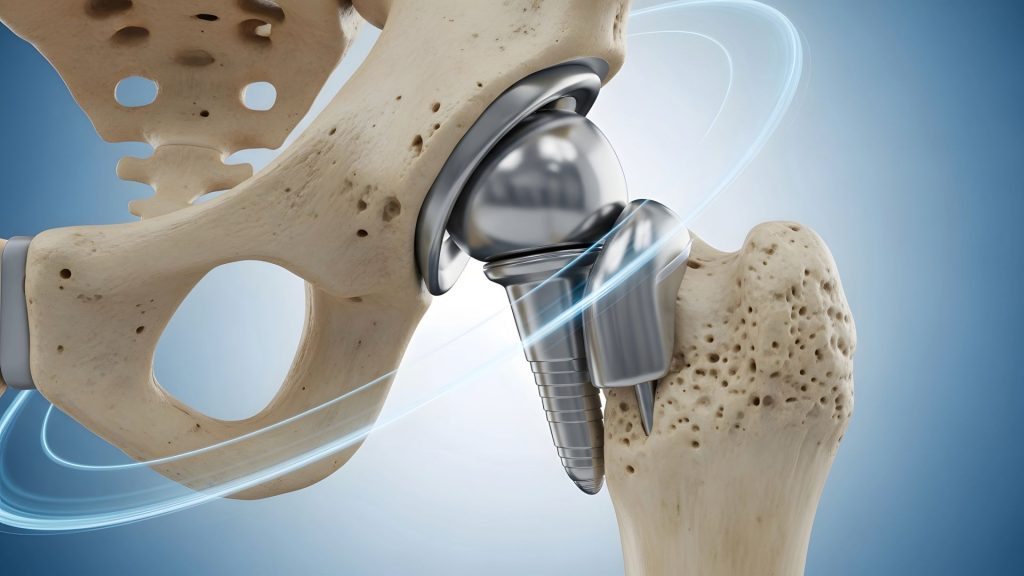
1. Your Hip Pain Is Affecting Everyday Life
Pain does not need to be unbearable before it becomes significant.
One of the clearest signs that your hip needs further assessment is when pain begins interfering with ordinary activities such as:
- Walking
- Shopping
- Going up and down stairs
- Getting in and out of a vehicle
- Standing for extended periods
- Exercising
- Gardening
- Playing with children or grandchildren
- Travelling
- Working comfortably
Hip arthritis is commonly associated with pain, stiffness and loss of range of motion that make usual activities increasingly difficult.
The question is therefore not simply, “How painful is my hip?”
A more useful question may be:
“How much of my life am I changing because of my hip?”
2. You Have Pain Deep in the Groin
People are sometimes surprised to learn that hip joint problems do not always feel like pain on the outside of the hip.
Arthritic hip pain is commonly felt deep in the groin and may also spread into the thigh or even present as pain around the knee.
This means patients sometimes spend months focusing on their thigh or knee before realising that the hip joint is the source of the problem.
Persistent groin pain, particularly when combined with stiffness or reduced mobility, is worth discussing with an orthopaedic surgeon.
3. Hip Pain Is Waking You at Night
When pain begins affecting sleep, it can have a significant impact on daily life.
You may:
- Struggle to find a comfortable sleeping position
- Wake when turning over
- Experience a deep ache at night
- Need pain medication before bed
- Wake feeling tired because your sleep has been repeatedly interrupted
Night pain does not automatically mean you require surgery, but persistent pain at rest or at night may indicate that the joint problem has progressed.
4. Your Hip Feels Increasingly Stiff
Arthritis can cause the hip to become progressively stiff.
You might notice difficulty:
- Putting on shoes
- Putting on socks
- Cutting your toenails
- Crossing your legs
- Getting into a low chair
- Getting in or out of a car
- Bending towards the floor
- Turning or pivoting
Reduced range of motion is one of the common symptoms considered when assessing whether hip replacement may eventually be appropriate.
5. Your Walking Distance Is Getting Shorter
Think back six months or a year.
Could you previously walk around a shopping centre without thinking about it?
Could you take the dog around the neighbourhood?
Could you play a round of golf or walk along the beach?
If the distance you can comfortably walk is steadily decreasing, your hip may be having a greater effect on function than you realise.
Many patients adapt gradually. They park closer. They decline outings. They sit while others walk.
Those adjustments can disguise just how significantly the joint is affecting everyday life.
6. You Are Limping More Frequently
Persistent hip pain and stiffness can alter the way you walk.
A limp may develop because you are unconsciously trying to reduce the amount of weight or pressure placed on the painful hip.
Over time, altered walking mechanics can also place additional strain on surrounding muscles and joints.
A persistent limp warrants proper assessment rather than simply assuming that it is an inevitable part of getting older.
7. Pain Medication Is No Longer Enough
Early and moderate osteoarthritis can often be managed without surgery.
Depending on the individual, treatment may include:
- Appropriate exercise
- Physiotherapy
- Weight management where relevant
- Activity modification
- Walking aids
- Certain pain-relieving or anti-inflammatory medicines
- Selected injections
Exercise is strongly recommended for people with hip and knee osteoarthritis, while weight management can improve pain and function in people living with overweight or obesity.
But these treatments do not reverse advanced cartilage loss.
If treatments that previously helped are becoming less effective and your quality of life continues to decline, it may be time to discuss the next step.
8. You Have Pain Even When You’re Resting
Early arthritis may cause discomfort mainly during activity.
As joint degeneration progresses, some patients begin experiencing pain even when:
- Sitting
- Resting
- Lying down
- Driving
- Watching television
Persistent pain at rest can be a sign that the hip deserves further investigation.
9. Your X-rays Show Significant Joint Damage
X-rays help an orthopaedic surgeon assess the structure of the hip and look for signs of osteoarthritis such as joint-space narrowing and changes to the bone.
But an important point needs to be made:
An X-ray does not make the decision on its own.
Someone may have significant changes on an X-ray but relatively manageable symptoms. Another person may be extremely restricted by their hip.
Joint replacement decisions should consider the whole picture: symptoms, mobility, function, examination findings, imaging, general health and treatment history.
NICE specifically recommends using clinical assessment rather than numerical severity scoring alone when considering referral for joint replacement.
10. Your World Is Becoming Smaller
This may be the most important sign of all.
Are you saying no more often?
No to the holiday because you’ll have to walk.
No to golf.
No to the family outing.
No to dinner because the restaurant has stairs.
No to exercise.
No to playing with the grandchildren.
No to activities that used to make you feel like yourself.
Joint replacement should never be recommended simply because an X-ray looks bad.
But when hip pain begins dictating the size of your life, it deserves attention.
Do You Need to Wait Until the Pain Is Unbearable?
Not necessarily.
There is a common belief that patients should delay joint replacement for as long as physically possible.
That can lead some people to tolerate severe limitations unnecessarily.
At the same time, hip replacement should not be rushed when symptoms remain manageable with appropriate non-surgical treatment.
The goal is to identify the point where the expected benefit of surgery begins to outweigh the disadvantages and risks for that individual.
That decision is made together with your orthopaedic surgeon.
Does Age Determine When You Need a Hip Replacement?
Age matters, but there is no universal cut-off.
Current NICE guidance specifically states that people should not be excluded from referral for joint replacement because of age alone.
A healthy, active older patient and a younger patient with severe arthritis have very different considerations, which is why each case should be assessed individually.
Where Does Robotic-Assisted Surgery Fit In?
For suitable patients undergoing hip replacement, robotic-assisted technology such as the Mako system can support detailed patient-specific planning.
Mako begins with a CT scan to create a 3D model of the patient’s anatomy. This information can help the surgeon plan implant size and positioning before using robotic-arm assistance during specific parts of the procedure.
Importantly, the robot does not independently perform the operation.
Dr Van Der Watt remains responsible for the surgical plan and procedure. The technology is there to assist the surgeon, not replace surgical expertise.
When Should You Book an Orthopaedic Consultation?
Consider having your hip assessed if:
- Pain is becoming more frequent
- Walking distance is decreasing
- You regularly limp
- Sleep is being disturbed by hip pain
- Dressing and everyday movements are becoming difficult
- You have persistent groin pain
- You rely increasingly on medication
- Previous treatments are no longer helping
- Hip pain is preventing you from participating in activities you value
Seeing an orthopaedic surgeon does not automatically mean having surgery.
The purpose of a consultation is to understand what is causing the problem and determine the most appropriate next step.
Frequently Asked Questions
What are the first signs that I may need a hip replacement?
Persistent hip or groin pain, increasing stiffness, difficulty walking and a gradual reduction in everyday activity are common warning signs. Surgery is normally considered only after the symptoms significantly affect quality of life and appropriate non-surgical treatment is no longer sufficient.
Where is hip arthritis pain normally felt?
Hip arthritis commonly causes pain deep in the groin, although pain can also extend into the thigh, buttock or knee.
Can an X-ray tell me whether I need a hip replacement?
An X-ray is important, but it does not make the decision alone. Your symptoms, mobility, function, examination findings, health and treatment history must also be considered.
Should I wait until my hip pain becomes unbearable?
There is no requirement to wait until pain becomes unbearable. The timing of surgery should be based on how significantly the hip is affecting your life and whether appropriate non-surgical treatments are still effective.
Can I be too old for hip replacement?
Age alone does not automatically exclude someone from being considered for joint replacement. General health, individual risk, symptoms and expected benefit are also important.
Does needing a walking stick mean I need surgery?
Not necessarily. Walking aids can be useful in managing hip arthritis. However, increasing dependence on one may indicate worsening functional limitation and is worth discussing with your doctor.
Can hip arthritis cause knee pain?
Yes. Hip joint problems can sometimes produce referred pain around the knee, which is why a full assessment is important.
Is robotic hip replacement suitable for everyone?
No. The correct surgical approach depends on the individual patient’s diagnosis, anatomy, health and other factors. Dr Van Der Watt can assess whether robotic-assisted surgery is appropriate in your case.
Is Your Hip Starting to Control Your Life?
If persistent hip pain, stiffness or reduced mobility is beginning to interfere with everyday life, it may be time to find out what is happening rather than continuing to work around it.
A consultation with Dr Van Der Watt can help determine the cause of your symptoms, review the treatments you have already tried and establish whether continued non-surgical management or hip replacement is the appropriate next step.
Book your consultation with Dr Van Der Watt.